Using Islamic Floral Graphics for Elegant Web Patterns
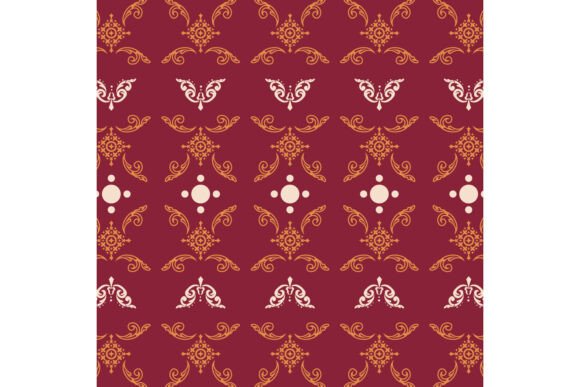
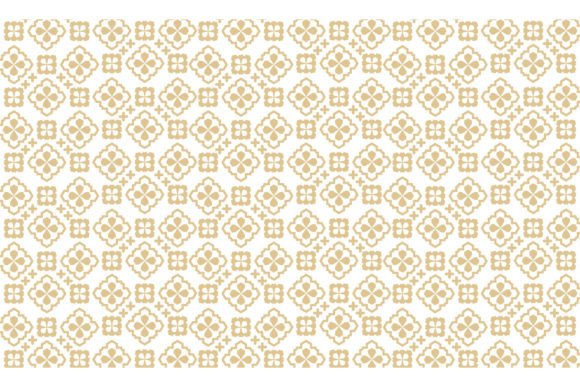
When a new graphic asset lands in my design library, my first test is simple: does it elevate a blank canvas instantly? This Islamic floral pattern decorative design passes that test. The intricate, interlacing motifs create an immediate sense of artistry and depth. It doesn’t shout; it whispers sophistication. The editorial mood it establishes is decidedly refined—it feels cultural, decorative, and quietly luxurious. This isn’t a playful or minimalist pattern. It carries weight and history, naturally supporting content niches in lifestyle, art history, cultural education, travel, interior design, and premium lifestyle branding. It leans feminine, artistic, and deeply decorative.
The Publisher’s First Impression: From Asset to Application
My workflow begins with the featured image. A complex article about Islamic art or Middle Eastern travel guides needs a visual hook that feels authentic and polished. Dropping this pattern as a background layer behind a clean, serif font headline transforms a generic blog post into a curated editorial piece. That first impression matters—it signals to the reader that the content is considered and trustworthy. The pattern’s intricacy commands attention without being garish, making it perfect for hero images and article headers where visual hierarchy is paramount.
Real Publishing Workflow: Where This Design Asset Shines
Imagine preparing a content upgrade for a post on traditional design motifs. Your downloadable guide or worksheet needs a cover that feels like a premium digital product. This vector pattern, available in Ai, Eps, Png, Jpg, and Svg formats, provides infinite scalability. I use the SVG or EPS file to create a crisp, repeatable background for an eBook cover in Canva, then export a high-resolution JPG for the PDF. The same core asset now ensures consistent branding across the blog post, the promotional Pinterest pin, and the downloadable lead magnet.
For social media graphics, especially Pinterest pins and Instagram posts for visual niches, this pattern is gold. It creates a textured, clickable background that stands out in a feed. As a digital publisher, I’ve used similar patterns for newsletter headers and category thumbnails on a website dedicated to artistic crafts. It immediately categorizes content visually, aiding in category recognition and strengthening the site’s overall visual identity.
Supporting Content Performance: Beyond Decoration
A beautiful asset must also perform. This Islamic floral pattern supports performance by enhancing click-through potential. A Pinterest pin with this decorative background looks more like professional editorial design than a generic stock photo, encouraging saves and clicks. On a website, using it as an accent in sidebar graphics or blog graphics breaks the monotony of text, improving engagement and perceived value. For affiliate marketing content linking to cultural home decor items, this pattern builds an aesthetic bridge between the content and the products, fostering reader trust through cohesive visual communication.
Practical Publisher Notes for Implementation
Always test. Before committing, I preview this pattern in a real blog layout. I place a white or black headline over it—both serif and sans-serif fonts—to check contrast and readability. The detail is beautiful, but it can become busy. It often works best when used in large, muted areas or as a border element rather than a full, busy background under paragraphs of text. Crucially, I test how it looks as a small mobile thumbnail. The fine lines might blur into a texture, which can be effective, but it’s worth verifying.
For web design performance, I use the compressed PNG or JPG versions for online use, ensuring file sizes are optimized. The vector files (Ai, EPS, SVG) are saved for printable designs and scalable digital guides. A key step: confirm the commercial license. As a publisher using assets on monetized sites, affiliate pages, and paid digital downloads, clear licensing is non-negotiable. This asset, given its description for print and decoration, typically grants that flexibility, but verification is part of my professional process.
Strategic Placement: Best Uses and Careful Applications
This Islamic floral pattern decorative design works best in prominent visual roles. Use it boldly for website headers, ebook covers, and full-width blog featured images. It excels as a background for content upgrades like media kits or worksheet bundles where a touch of elegance elevates the perceived value. It’s ideal for editorial accents in digital magazines or as a framing element for quotes and call-outs within articles.
Use it carefully in certain contexts. Avoid using it as a background for text-heavy blog images where readability could suffer. In serious professional niches like corporate finance or legal blogs, it might feel mismatched. For low-contrast backgrounds, ensure text color is starkly opposite. In already busy layouts, this intricate pattern could add visual chaos. Its strength is in controlled, intentional application.
Final Thoughts for the Creative Entrepreneur
Integrating this graphic design asset into your publishing toolkit is about more than decoration. It’s about investing in a visual system that makes your content feel cohesive, professional, and clickable. From the Pinterest pin that captures attention to the downloadable worksheet that delights a subscriber, this pattern provides a thread of modern design with traditional roots. For the blogger, small business owner, or creative entrepreneur building a brand in art, culture, or luxury lifestyle, this isn’t just a pattern; it’s a versatile tool for content marketing that looks as refined as the message you intend to convey.