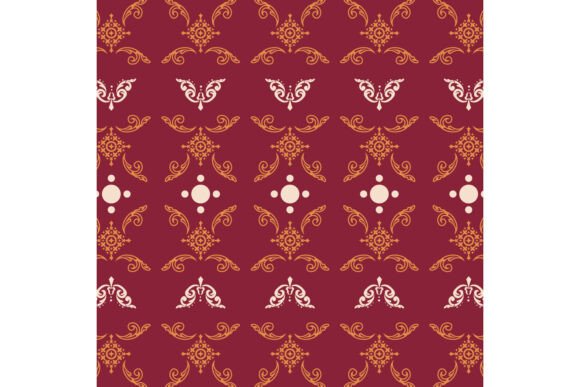
Decorative Abstract Ethnic Oriental Graphics & Patterns Review
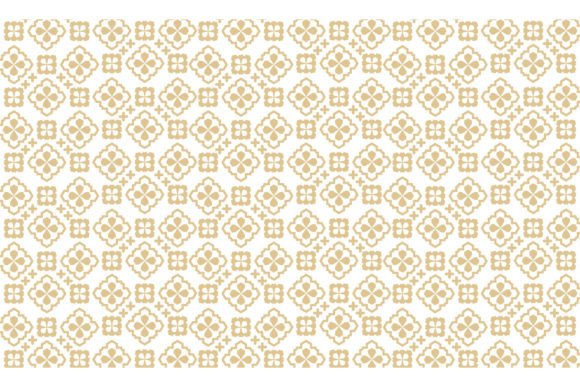
When I first opened the Decorative Abstract Ethnic Oriental file set, I immediately recognized a batik-inspired pattern that carries a distinct handmade feel without being overly rustic. The Indonesian batik influence is clear in the flowing motifs and organic repeats, but the abstract treatment gives it a modern edge that I rarely find in traditional ethnic patterns. For someone who builds digital product collections across multiple marketplaces, this kind of visual personality solves a real problem, it stands out in a sea of generic floral and geometric repeats while still feeling versatile enough to dress up a wide range of sellable products.
The mood sits somewhere between artisanal and contemporary. It leans decorative rather than minimal, yet the abstract lines keep it from feeling heavy or overly cultural in a way that might limit the buyer pool. I could see this appealing to customers searching for bohemian aesthetics, modern global decor, or even upscale stationery with a worldly touch. The warm earthy tones and rhythmic patterns feel grounded, and that makes the asset particularly useful for sellers who want to position their products as premium without crossing into cold, corporate territory.
First Impressions And The Niche Appeal Of This Batik Pattern
What struck me right away was how the Decorative Abstract Ethnic Oriental pattern balances repetition with irregularity. The batik motifs feel hand-drawn rather than mechanically stamped, and that subtle imperfection is exactly what many buyers look for in printable wall art, fabric-inspired designs, and artisan-style digital papers. The pattern has enough visual weight to anchor a product mockup without overwhelming the composition, something I always test before committing a design asset to a live listing.
From a niche perspective, this pattern fits comfortably into several overlapping categories. The ethnic oriental influence attracts buyers interested in cultural decor, travel-inspired aesthetics, and global bohemian interiors. The abstract treatment softens the traditional edge, making it accessible to a broader audience that might not specifically search for Indonesian batik but would respond to the organic, flowing shapes. I could see this working well for sellers targeting the boho-chic home decor market, the handmade stationery crowd, or even the mindful living and wellness niche where earthy, grounding visuals perform consistently.
Practical Product Applications For Digital Sellers
When I evaluate a graphic design asset for my shop pipeline, I mentally run it through a checklist of real product formats. The Decorative Abstract Ethnic Oriental pattern passed most of those tests on the first round. The high-resolution PNG files work immediately for printable wall art, where the batik motifs can fill a full sheet without losing clarity. The SVG format opens up Cricut and Silhouette projects, though I always advise checking the cut paths on complex abstract designs before listing any SVG-based product. The AI and EPS files give me the flexibility to recolor, rescale, and adapt the pattern for product bundles without degrading quality.
Here is where I see the strongest product fit for this particular asset:
- Printable wall art in digital download shops, the pattern reads beautifully as a standalone piece or as part of a gallery wall set
- Digital paper packs for scrapbooking and card making, where the batik texture adds depth without competing with other elements
- Canva templates for social media graphics, brand boards, and Pinterest pins, especially for brands in the lifestyle, travel, and artisan spaces
- Fabric print mockups for tote bags, cushion covers, and tea towels, where the pattern repeat looks natural and intentional
- Invitation and greeting card templates with a sophisticated, globally inspired aesthetic
- Tumbler wraps and mug designs for print-on-demand sellers who need seamless patterns that wrap cleanly
The file set includes AI, EPS, PNG, JPG, and SVG formats, which covers the majority of platforms and tools I use daily. Having vector and raster options in one download saves time when I am preparing multiple product variations for different marketplaces.
Testing The Pattern Across Product Mockups
Before I publish any listing, I run the design through a mockup testing phase. I loaded the Decorative Abstract Ethnic Oriental PNG onto a framed wall art mockup, a tote bag preview, a notebook cover, and a set of greeting card templates. On the wall art mockup, the pattern held its visual integrity at full scale, and the batik details remained crisp even when I zoomed in to check for pixelation. On the tote bag, the repeat felt natural and the edges blended without obvious seams, a critical factor for print-on-demand products where customers will scrutinize the final printed result.
The greeting card mockup revealed something worth noting. The pattern works best as a full-bleed background or a decorative border rather than a tiny accent element. When I scaled it down too aggressively for a small sticker mockup, some of the finer abstract lines started to lose distinction. That is not a flaw in the asset, it is a practical consideration for sellers who design tiny stickers or intricate die-cut projects. For those use cases, I would extract individual motifs from the pattern rather than shrinking the full repeat.
On dark backgrounds, the pattern held up reasonably well, though the earthy tones naturally pair better with warm neutrals, cream, and soft white backgrounds. I tested it on a charcoal mockup and the contrast was acceptable, but the design truly shines on lighter surfaces where the batik-inspired linework can breathe.
Where This Asset Shines And Where Caution Is Needed
After working with the files across multiple mockup scenarios, I have a clear sense of the strengths and limitations. The Decorative Abstract Ethnic Oriental pattern excels in large-format applications where the viewer can appreciate the detail of the batik motifs. Full-page printable art, fabric yardage previews, wrapping paper designs, and large-scale Canva backgrounds all showcase the pattern effectively. The design also works well in themed bundles, especially when paired with complementary textures like linen, watercolor washes, or subtle gold accents.
For thumbnail appeal on marketplaces like Etsy or Creative Fabrica, the pattern creates a strong visual hook. The abstract ethnic style reads clearly even at a reduced size, and the organic flow draws the eye across the listing image. That is a real advantage in competitive search results where buyers scroll quickly and make split-second decisions based on thumbnail impact.
There are situations where I would use this asset more carefully. Small sticker designs with intricate cut lines can be problematic because the abstract edges of the batik motifs do not always translate cleanly to a cutting path. I would also avoid using this pattern on text-heavy templates where the decorative density competes with readability. For Cricut users creating layered vinyl projects, I recommend testing the SVG cut file on scrap material before committing to a full product run, as the complex curves may require blade adjustment depending on the machine and material.
Low-resolution print products are another area to watch. The pattern contains fine linework that could lose definition if printed at a small scale on absorbent paper or through a low-DPI process. I always test print on the actual substrate I plan to use before listing any physical product that incorporates a digital pattern.
Seller Notes On File Preparation And Customer Experience
When I prepare a digital product for sale, the customer experience starts long before they open the download. I organize the files clearly, label them intuitively, and include a quick reference sheet so buyers know exactly what each format is for. The Decorative Abstract Ethnic Oriental file set arrives with the standard AI, EPS, PNG, JPG, and SVG formats, and I would recommend keeping the folder structure simple with subfolders for vector and raster files.
One practical note on the PNG transparency. I checked the PNG files against both light and dark backgrounds, and the transparency was clean with no white halos around the batik elements. That is essential for sellers who plan to layer this pattern over different colored backgrounds in their own designs. The SVG file opened correctly in my design software, and the layers were organized in a way that made it straightforward to isolate individual motifs if needed.
For sellers who plan to offer this as part of a commercial product, I always recommend double-checking the specific commercial license terms. The asset itself is high quality and ready for product creation, but every marketplace and usage scenario has different requirements, and the responsibility falls on the seller to confirm that the license covers their intended use, whether that is print-on-demand merchandise, digital download bundles, or client work.
Font Pairing Ideas For Product Branding
When I build a product collection around a pattern like this, the font choices for listing images, social media graphics, and product mockups can make or break the overall presentation. The batik-inspired aesthetic pairs naturally with certain type families. A serif font with elegant, slightly organic curves complements the handcrafted feel of the pattern without looking too formal. A clean sans serif font creates a modern contrast that keeps the overall look fresh and marketable to a broader audience.
For brands with a more personal or artistic positioning, a script font or handwritten font adds warmth and reinforces the handmade vibe of the ethnic motifs. I have also tested this pattern with a display font for bold product titles, and the combination works well when the typeface has character without competing with the decorative background. The key is to let the pattern do the heavy visual lifting while the typography supports the message clearly.
Building A Cohesive Product Collection
One of the smartest ways to use an asset like the Decorative Abstract Ethnic Oriental pattern is to build a themed collection around it. A single pattern can spawn multiple product types, printable wall art, digital papers, invitation templates, social media graphics, and even fabric-accent mockups all unified by the same visual identity. That approach creates brand consistency across a shop, which helps with customer trust and repeat purchases.
For a seasonal or evergreen collection, I would pair this pattern with coordinating solids pulled from the batik color palette, along with one or two simpler geometric patterns that share the same earthy tone. That gives buyers options within the same aesthetic family and increases the perceived value of a bundle. The visual storytelling aspect matters too, when a customer sees a cohesive collection, they are more likely to imagine the designs in their own home or project, and that emotional connection drives conversions.
The Decorative Abstract Ethnic Oriental asset is not a one-size-fits-all solution, but for the right niche and the right product lineup, it fills a genuine gap. The batik-inspired abstract pattern offers something distinctive in a marketplace saturated with simple florals and predictable geometrics. For Etsy sellers, print-on-demand creators, and digital product designers who want to offer their customers something with more texture and cultural depth, this pattern is a practical, versatile starting point.