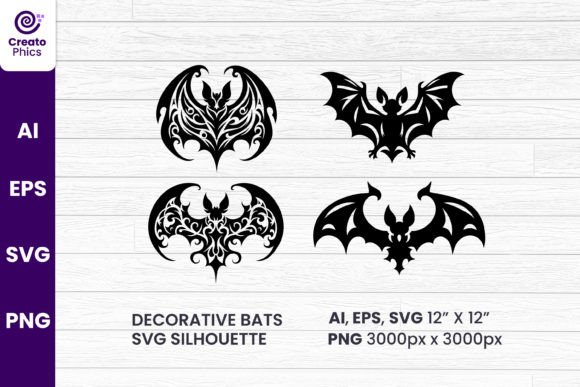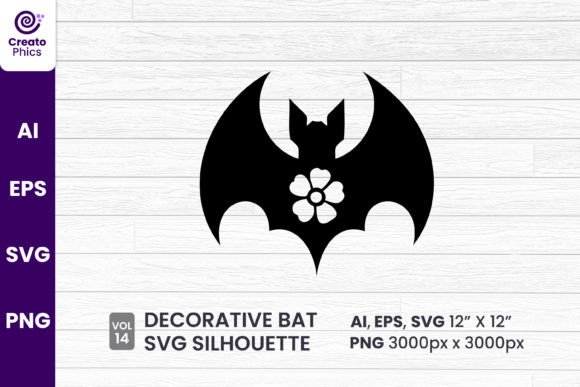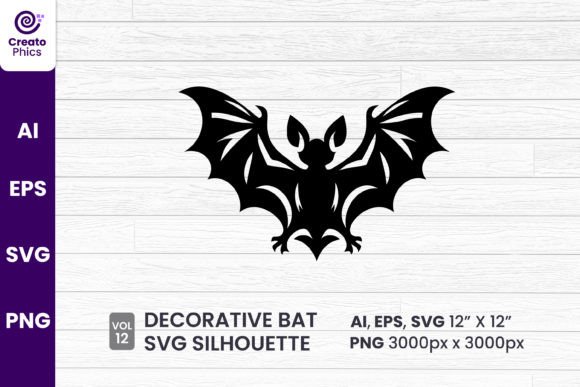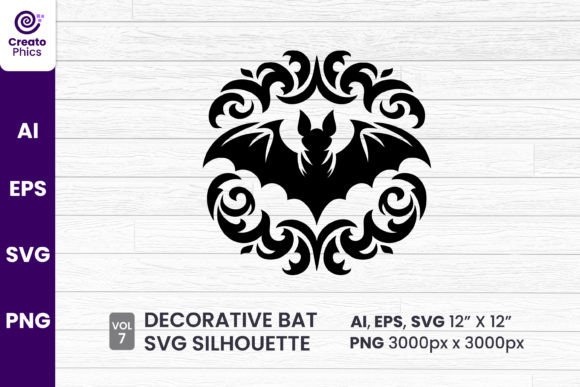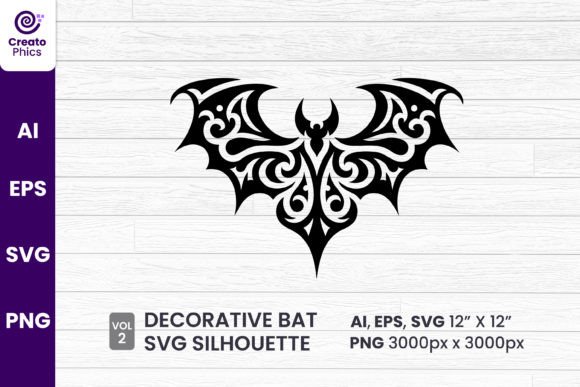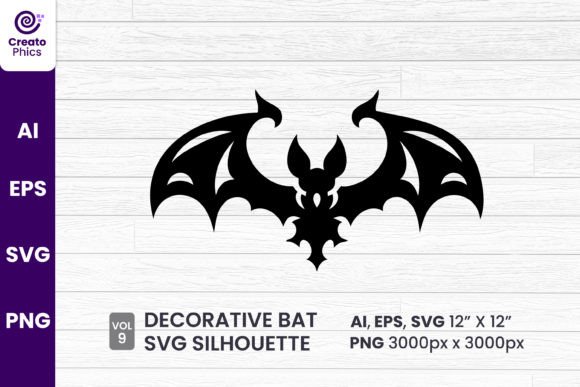
Decorative Bat Silhouette Sublimation 9
A Designer’s First Look: Sleek, Not Spooky — and That Changes Everything
When I opened Decorative Bat Silhouette Sublimation 9, I didn’t see a Halloween cliché. I saw a confident, minimalist shape—clean curves, tapered wings, subtle negative space defining the head and wing joints. It’s not cartoonish or fussy; it’s modern enough for a boutique baby onesie or a linen tea towel in a Brooklyn apothecary. That’s rare for bat-themed graphics. Most lean into kitsch or gothic overload—but this one breathes. It feels intentional, like it belongs on something you’d actually keep, not just wear once in October.
Where It Lives Best: Real Projects, Not Just Mockups
Last week, I used Decorative Bat Silhouette Sublimation 9 as the centerpiece for a custom embroidered tote bag—linen-cotton blend, medium weight, natural undyed base. No glitter, no script, no extra flourishes—just the bat centered at the bottom hem, stitched in matte black thread with a balanced satin stitch outline and soft fill. Customers paused mid-browse. One asked, “Is that *supposed* to be elegant?” Yes—it is. That reaction tells me this design elevates handmade product perception, not just decorates it.
It also translated beautifully onto a lightweight cotton apron for a local herbalist’s shop—smaller scale, single-color embroidery, no applique needed. The clean lines held up even at 3.2 inches tall. On baby onesies? I scaled it down to 2.5 inches and used a lightweight cutaway stabilizer—no puckering, no thread nesting. The silhouette remained legible after three washes. That’s not luck. It’s smart vector construction.
Where to Pause—and Why
Don’t rush Decorative Bat Silhouette Sublimation 9 onto stretchy fabric like jersey knits without testing first. The wingtips are narrow and defined—those fine points can distort if tension or stabilizer isn’t dialed in. Same goes for curved surfaces: caps and beanies need careful hooping and possibly reduced density in the outer wing edges to avoid stiffness or shadowing.
On dark fabrics, especially charcoal or navy, check contrast early. The design relies on shape—not texture—so if your thread color blends too closely, you’ll lose definition. I recommend testing in both black and ecru thread on scrap fabric before committing to a batch of sweatshirt embroidery.
Also: avoid cramming it into tiny hoops (under 4” diameter) without simplifying first. Those delicate wing contours demand breathing room. And skip ultra-thin fabrics like voile unless you’re using tear-away + light cutaway combo—otherwise, the fill stitch may show through or shift.
How It Shapes Perception—Before and After Stitching
This isn’t just a machine embroidery design. It’s a quiet brand signal. When placed on a ceramic mug sleeve or a linen pillow cover, Decorative Bat Silhouette Sublimation 9 reads as curated—not seasonal, not gimmicky. That matters for Etsy sellers listing year-round nursery decor or small shop owners building cohesive collections. Buyers notice when a design feels *considered*, not copied.
For craft business owners, its versatility across categories—apparel, home goods, patches, even printable mockups—is a real time-saver. You can use the same core asset for an embroidered patch (with border stitching), a sublimated tea towel, and a vinyl-cut iron-on for kids’ backpacks—all while keeping visual consistency. That strengthens brand trust, especially for repeat customers who recognize your aesthetic.
And yes—it works for holiday embroidery, but not because it screams “Halloween.” It whispers “autumn,” “mystery,” “night-blooming garden.” That subtlety makes it gift-worthy beyond October: think wedding favors for a midnight-blue theme, baby shower towels for a nature-loving couple, or boutique packaging accents that feel timeless, not dated.
Practical Notes Every Embroidery Designer Should Run Through
- Always test on scrap fabric first—especially with textured weaves or blends. Linen, terry cloth, and canvas behave differently under needle and thread.
- Review stitch density before scaling. High-density fills may overwhelm lightweight fabrics or create stiff patches on baby embroidery.
- Confirm hoop size compatibility with your machine and project type. If adapting for commercial embroidery, verify minimum clearances around wingtips.
- Inspect small details at actual stitch-out size. What looks crisp on screen may blur at 2 inches tall—especially where wing meets body.
- Test black-and-white mockups to assess contrast on light vs. dark backgrounds. This design lives or dies by silhouette clarity.
- Use proper stabilizer: medium-weight cutaway for stable fabrics, tear-away + light cutaway for knits or lightweight cottons.
- Check licensing terms carefully before selling finished products or bundling Decorative Bat Silhouette Sublimation 9 into digital embroidery files. As a Graphics asset, its commercial use depends on the original license—not assumed permissions.
Final Thought: It’s Not About Bats—It’s About Intention
Decorative Bat Silhouette Sublimation 9 stands out because it treats a familiar motif with restraint and craftsmanship. It doesn’t shout. It invites closer looking. That’s what makes it work for personalized gifts, small shop merchandise, and high-trust handmade products—where buyers pay more for care, not clutter.
If you’re an embroidery designer choosing assets for your next collection—or an Etsy seller refreshing your autumn lineup—this isn’t filler. It’s a quiet anchor. Use it where simplicity speaks louder than noise. And always, always test it like you mean to sell it.