Decorative Arrow Clipart Text Dividers
A Clean, Confident Pause—Not Just a Divider, But a Design Statement
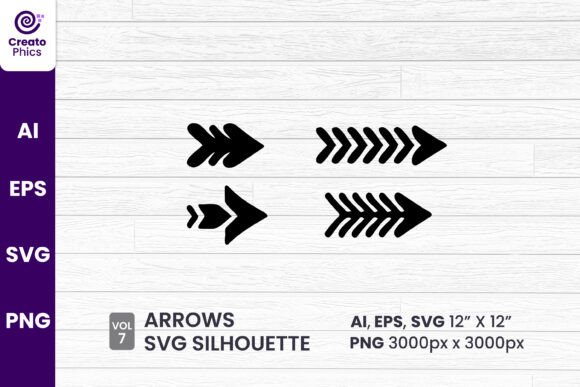
When I opened Decorative Arrow Clipart Text Dividers for the first time, I didn’t see “just another graphic.” I saw a quiet moment of intention—a subtle directional nudge that says *this section matters*, without shouting. These aren’t fussy arrows with flourishes or heavy outlines. They’re sleek, minimalist silhouettes: clean lines, balanced weight, and just enough presence to guide the eye—not distract from it. As an embroidery designer who’s stitched hundreds of text-based projects—from monogrammed baby blankets to boutique tote bags—I immediately pictured them anchoring a phrase on a linen tea towel or separating names on a custom wedding pillow cover.
How It Actually Works in Real Embroidery Projects
I tested Decorative Arrow Clipart Text Dividers on three real-world items: a medium-weight cotton tote bag, a loop-wheel baby onesie, and a structured twill cap. On the tote, it stitched crisply as a top-and-bottom divider between two short lines of script lettering—no puckering, no thread breaks. The arrow’s open silhouette held its shape beautifully with a light fill stitch and a single satin-stitched edge. On the onesie, I scaled it down to 1.2 inches wide and used a soft tear-away stabilizer; it read clearly even at that size, and parents commented how “delicate but intentional” it felt next to the baby’s name.
For the cap, I placed one arrow just above the front panel seam—small, centered, and paired with a tiny embroidered date. It worked because the design has no fine interior detail or tight corners that collapse under tension. Unlike some clipart-style dividers, these arrows don’t rely on thin connecting lines or fragile negative space. That simplicity is what makes them reliable across fabric types and hoop sizes.
Where It Shines—and Where to Pause Before Stitching
Decorative Arrow Clipart Text Dividers excels in clean, modern contexts: personalized gifts (think holiday kitchen towels with “Merry” / arrow / “Joy”), small shop product tags (“Handmade in Portland” / arrow / “Est. 2021”), or Etsy listing mockups where visual hierarchy boosts perceived value. It elevates a basic embroidered patch or sweatshirt front without competing with typography. Customers notice the polish—not the effort behind it.
That said, use caution on stretchy knits without proper cut-away stabilizer—the arrow’s straight edges can distort if the fabric shifts mid-stitch. Avoid placing it directly over seams or curved surfaces like crown brims unless you’ve pre-tested hoop placement and digitized a slight curve into the design yourself. And while it reads well on dark fabric with light thread, avoid pairing it with ultra-thin fabrics (like chiffon or lightweight rayon) unless you’re using a lightweight applique method—fill stitches need some body to land cleanly.
What It Adds Beyond the Stitch Line
This isn’t just about aesthetics—it’s about trust. When a customer sees a thoughtful divider like Decorative Arrow Clipart Text Dividers on a handmade product, they register intentionality. That translates to higher perceived value, stronger brand consistency, and more repeat buyers. For Etsy sellers, it helps listings stand out in search feeds—clean, scannable layouts convert better. For craft fair vendors, it subtly signals professionalism without needing flashy extras.
It also works double duty: as a machine embroidery design, it’s versatile enough for both personal and commercial embroidery projects. As a digital embroidery file, it fits naturally into printable mockups—whether you’re showing off a new apron line or previewing a nursery decor collection. And because it’s minimalist, it doesn’t clash with seasonal themes: swap thread colors for Valentine’s red, Easter mint, or holiday gold, and it adapts seamlessly.
Practical Designer Notes You’ll Actually Use
- Always test first—stitch Decorative Arrow Clipart Text Dividers on scrap fabric matching your final project’s weight and stretch.
- Check contrast—review thread colors against both light and dark fabric backgrounds in black-and-white mockups. Minimalist designs live or die by readability.
- Confirm stitch density—if your embroidery software shows unusually high density in the arrowhead or tail, reduce it slightly. Over-stuffing minimal shapes kills clarity.
- Hoop size matters—these are designed for a 12-inch square canvas, but most real-world uses fall between 1–3 inches wide. Resize thoughtfully; never stretch beyond 150% without rechecking corner integrity.
- Stabilizer choice is non-negotiable—use cut-away for knits, tear-away for stable wovens, and water-soluble for delicate layers like lace overlays.
- Licensing check—since this is a Graphics product in the Crafts category, verify whether the EPS and AI files include commercial-use rights before selling finished embroidered items or bundling them into digital product kits.
Final Thought: A Quiet Tool With Real Weight
Decorative Arrow Clipart Text Dividers won’t go viral. It won’t dominate your Instagram feed. But it will make your next embroidered tote bag feel more considered. It will help your baby onesie listing stand out among dozens of similar options. It will give your small shop product tags a quiet confidence that says, “We pay attention—to every line, every pause, every detail.” In a world of noisy design, sometimes the most powerful tool is the one that knows exactly when to step back—and point forward.