An Embroidery Designer's Take on the Modern Abstract Decorative Shape
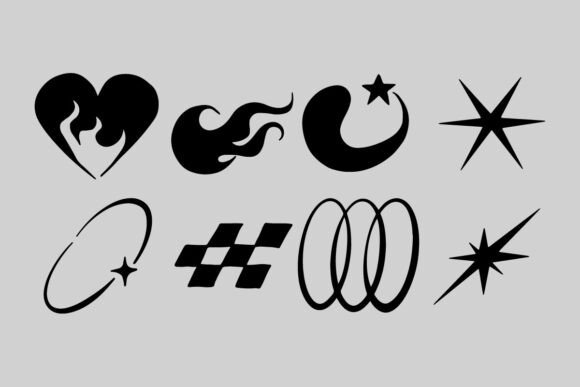
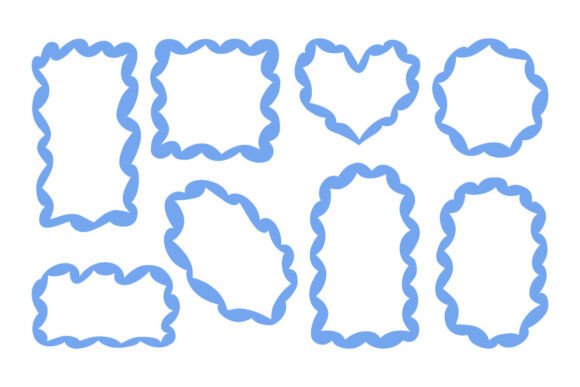
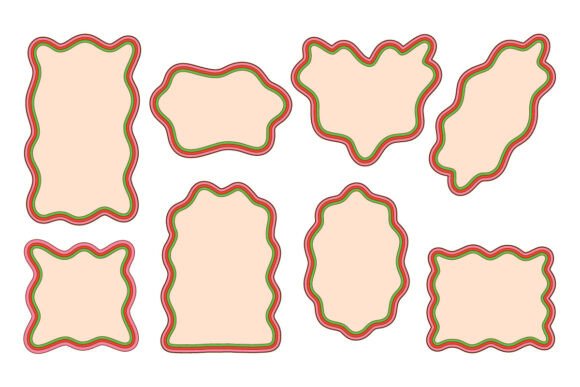
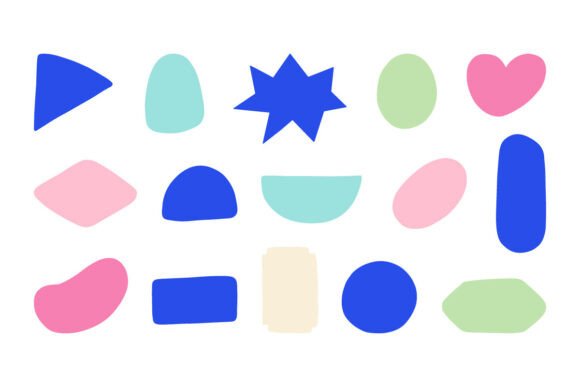
When I first opened the Modern Abstract Decorative Shape collection, I felt a quiet sense of excitement. This wasn't a traditional floral or a cute animal. It was a graphic, a collection of fifteen clean, energetic abstract forms. My immediate thought was: this feels current. The shapes are playful but balanced, with a visual personality that leans into contemporary design trends. For a designer like me, who works with clients ranging from boutique brands to individual crafters looking for unique gifts, this kind of design is a valuable tool. It creates a mood that’s artistic but not overly sentimental, functional but visually interesting.
Where This Design Finds Its Home
The beauty of these icons is their versatility, but I find myself immediately picturing them on specific projects. They feel perfect for custom apparel like minimalist sweatshirts or high-quality tote bags where a single, striking graphic can elevate the entire piece. I’m thinking about a custom embroidered tote for a small ceramics shop—one of these abstract shapes stitched neatly near the handle would be a subtle but effective branding element. For baby embroidery, the simpler, open shapes in the collection would work beautifully on a baby blanket or a knit hat, offering a modern twist on nursery decor that parents would appreciate.
As a reviewer, I always consider how a design translates from screen to stitches. The Modern Abstract Decorative Shape collection, being graphics, relies on clean outlines and defined spaces. In a real-life embroidery situation, this means paying close attention to stitch density and thread color contrast. On a dark fabric like navy, using a bright, contrasting thread color is crucial to maintain the design’s clarity and energetic feel. On a textured fabric like a sweater, you’d need a good stabilizer to ensure those clean lines don’t get lost.
Practical Considerations for a Smooth Stitch
Let’s walk through a real scenario: preparing a set of embroidered pillow covers as holiday gifts for a client. I’ve selected a few of the more geometric shapes from this collection. My first step, always, is to test the design on scrap fabric first. I’ll stitch one out on a piece of similar canvas or cotton to see how the fill stitch areas behave. Are they too dense for the fabric? Do the smaller corners and details stitch out cleanly? This is especially important here, as some abstract shapes can have tight angles.
For projects like embroidered patches or caps, where the surface is curved or smaller, I would advise checking the recommended hoop size for each specific file. A design with very fine details might not scale down perfectly for a tiny baby cap without some loss of definition. Conversely, scaling it up for a large tote bag centerpiece could make some satin stitch borders look too heavy. It’s about finding the right balance for your specific embroidery project.
The Impact on Your Finished Product
Using a design like this isn’t just about the stitch-out; it’s about the final product’s appeal. When I stitch one of these modern shapes onto a high-quality tea towel or apron, the value perception shifts. It moves from a generic kitchen item to a handmade product with a designer touch. This directly affects customer trust and engagement in a craft business or Etsy shop. A buyer looking for a personalized gift sees something unique and thoughtfully chosen, not a mass-market motif.
For small shop product lines, consistency is key. This collection of fifteen shapes offers a cohesive set of design assets. You could use different but related shapes across a line of products—a sweatshirt, a tote, a patch—creating a recognizable brand aesthetic without being repetitive. This professionalism in presentation can really set a creative entrepreneur’s work apart.
Areas for Careful Application
My experience tells me to flag a few situations where extra care is needed. On very thin or stretchy fabric like a fine t-shirt, the stitch density of some filled areas might require a heavier stabilizer to prevent puckering. Embroidering onto a dark fabric background requires impeccable thread choice; a poor contrast will muddle the abstract form’s energy. Also, if you’re considering using these for products that need frequent washing, like baby clothes or kitchen towels, a robust satin stitch edge and quality thread will ensure longevity.
One of my standard practices is to test the design in black and white mockups, even for embroidery. Creating a simple printable mockup helps visualize how the design will look as a finished product on light and dark backgrounds, aiding in product photography and customer previews for your digital product listings.
Final Notes Before You Hoop Your Fabric
As a final piece of practical advice, always confirm the specifics before committing to a commercial project. While the Modern Abstract Decorative Shape collection is clearly presented as graphics and icons, you should verify the details of each embroidery file. Check the available formats for your machine, and importantly, confirm the licensing before selling finished items or incorporating the designs into digital products for sale. This protects your craft business and ensures you’re using the assets correctly.
In essence, this collection is a strong, versatile set of tools. It’s not a flashy, trendy design that will feel outdated next season. Its abstract nature gives it a timeless quality. When stitched well on the right product, with attention to fabric, thread, and stabilizer, it can elevate your custom apparel, enhance your personalized gifts, and add a layer of modern sophistication to your small business merchandise. It invites you to think creatively about application, which is, for any maker, the most rewarding part of the process.