A Designer's Look at the Heart Beat Decorative SVG for Embroidery
The Visual First Impression
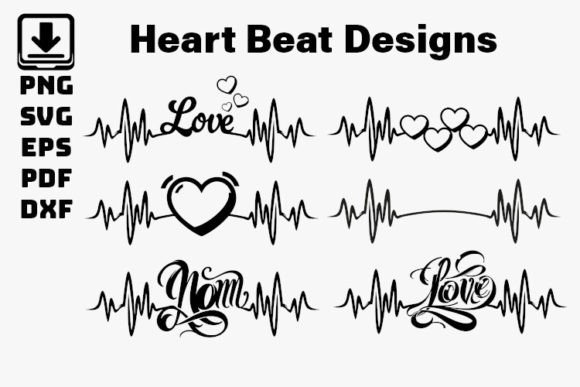
When you open the Heart Beat Decorative SVG File, the first thing you notice is its balance. It’s not a loud, graphic heartbeat monitor line; it's a decorative, stylized form. This creates a gentle, sentimental mood, perfect for projects where you want to convey care, affection, or a personal touch without being overly clinical. The shape has a flowing, organic personality. As an embroidery design, this suggests it belongs naturally to gifts, personalized items, and boutique products where visual warmth is key.
Where This Design Finds Its Home in Real Projects
Let's walk through a real scenario. Imagine you're preparing a custom embroidered tote bag for a client who wants a gift for a nurse or a loved one recovering from an illness. You’re thinking about stitch clarity, customer reaction, and what fabric it fits best. This Heart Beat design isn't a dense, heavy fill; its lines are likely meant for running stitch or a delicate satin stitch outline. It would shine on a crisp cotton tote, a soft sweatshirt, or a baby blanket where the symbolism is clear but the execution is elegant. For a small business owner, it slots beautifully into holiday gift collections, wedding gift accessories like handkerchiefs, or simple nursery decor items like pillow covers.
The design also has strong potential as an embroidered patch. Its decorative nature means it could be stitched onto a cap or apron as a unique accent, adding value to what might otherwise be a generic product. For Etsy sellers and apparel decorators, this is a design that elevates a basic tea towel or kitchen item into a thoughtful, handmade presentation.
Projects That Pair Naturally
- Personalized gifts for healthcare workers or family milestones.
- Boutique tote bags and organic cotton sweatshirts.
- Baby clothes or blankets with a subtle, meaningful motif.
- Embroidered patches for caps and lightweight jackets.
- Pillow covers and linen tea towels for a cozy home aesthetic.
- Simple holiday embroidery on stockings or gift tags.
- Digital product previews and printable mockups for your craft business.
Performance Considerations for Stitching
In real-life embroidery situations, the success of any design hinges on clarity. With a decorative SVG like this, the key will be how those flowing lines translate into stitches. On a custom apparel piece like a t-shirt, you'd need to consider stitch density. Too dense, and it might stiffen a stretchy fabric; too sparse, the delicate lines might lose definition. Testing on scrap fabric first is non-negotiable. For darker fabrics, thread color contrast becomes paramount—a light, metallic, or bright thread could make this design pop, while a tonal choice might soften it for a more sophisticated look.
Areas for Careful Application
While versatile, some applications require extra thought. I'd be cautious with very small hoop sizes if the design has intricate corners; shrinking it too much might compromise the clean lines. Textured fabrics like some blankets might require a heavier stabilizer to keep the detail sharp. On curved surfaces like caps, the layout needs to be checked to ensure it sits well on the curved panel without distortion. And for products destined for frequent washing, like baby clothes or kitchen towels, a robust stitch type and quality thread will ensure the design lasts, maintaining customer trust in your handmade product.
The Impact on Your Work and Your Customer
Using a well-crafted design file affects more than just the stitch. The Heart Beat Decorative SVG, when embroidered cleanly, elevates the perceived value of the finished product. It feels professional, not amateur. For a creative entrepreneur, this supports brand consistency—offering a line of products with this aesthetic can build recognition. Its giftability is high; it feels personal without being overly specific. In a commercial embroidery project for a small shop, it adds a layer of thoughtful design that engages buyers looking for something beyond a basic logo.
From a business perspective, it’s a versatile design asset. It can be adapted for different products, from a simple embroidered patch to a centerpiece on a custom apron, helping you scale your offerings without constantly seeking new graphics.
Practical Notes from the Embroidery Desk
Before you run this embroidery file on your machine for a client order, here’s my practical workflow advice. Always test on a scrap of the actual project fabric. Review the stitch density in your software—does it need adjustment for the material? Check thread color against both light and dark fabric backgrounds; sometimes a design looks perfect in a black and white mockup but needs a tweak in reality. Inspect the small details; if there are any tiny decorative accents, ensure your machine and hoop size can handle them cleanly.
Since the product description notes it's a digital item tested for quality and perfect for various machines, it suggests a well-built file. However, as a professional, you should still confirm the specifics for your machine embroidery design. Crucially, check the licensing terms before selling finished items or incorporating it into your digital product listings. Is it cleared for commercial use? This step protects your craft business and ensures you’re building your Etsy seller shop or small shop product line on solid ground.
Finally, think about the stabilizer. For delicate designs on thin fabric or textured materials, the right stabilizer is what separates a professional result from a puckered, unclear one. This design, with its likely flowing lines, deserves a foundation that lets it shine.
Final Human Judgment
The Heart Beat Decorative SVG File feels like a reliable, mood-setting graphic. It’s not a flashy trend piece; it’s a timeless, emotional shape that, when translated into embroidery with care, can turn a simple sweatshirt, tote bag, or baby item into a story. For makers and decorators, its value lies in that flexibility and sentiment. Approach it with a practical eye—test, adapt, and pair it with the right materials—and it will become a trustworthy part of your embroidery project toolkit for creating products that feel genuinely handmade and thoughtfully designed.